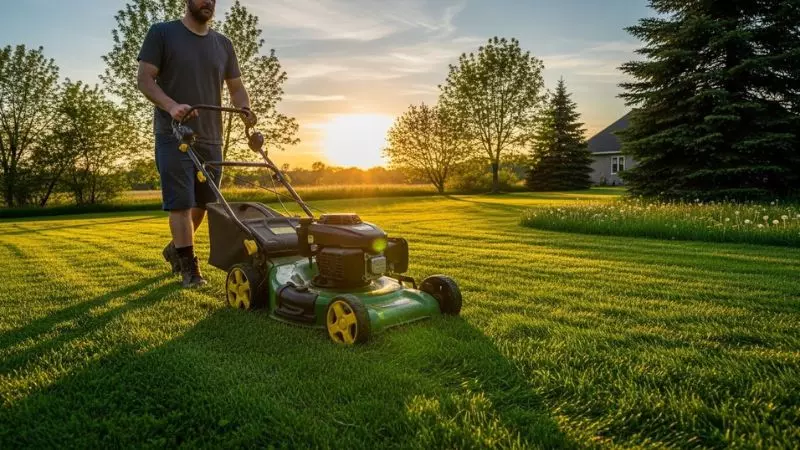
Keeping your yard neat and healthy starts with proper mowing a lawn. Regular lawn mowing not only enhances the curb appeal of your home but also promotes strong grass growth and prevents weeds from taking over. Understanding the right techniques and frequency is essential for a lush, green lawn.
From selecting the correct mower to adjusting cutting height, mastering the basics of lawn care and maintenance ensures your garden stays vibrant year-round. Whether you are a beginner or looking to improve your yard, learning expert grass trimming and lawn mowing tips can make a significant difference in your outdoor space.
Mowing a Lawn – Basics & Meaning
Maintaining a beautiful lawn requires understanding the fundamentals of mowing a lawn. Proper mowing ensures your grass grows evenly, stays healthy, and looks visually appealing. For homeowners and gardening enthusiasts, mastering lawn care can significantly improve outdoor aesthetics while promoting a thriving ecosystem for grass.
Key aspects of mowing a lawn include frequency, cutting height, and mower type. By following expert tips and the latest lawn maintenance techniques, even beginners can achieve a lush, green yard.
Mowing a lawn
Mowing a lawn is the process of trimming grass to maintain its desired height and promote healthy growth. Regular mowing keeps your lawn tidy, prevents weeds, and strengthens the roots of the grass.
Tips for effective lawn mowing:
- Always mow when the grass is dry to avoid clumping.
- Never cut more than one-third of the grass blade at a time.
- Use sharp blades to ensure a clean cut and prevent lawn damage.
- Alternate mowing patterns to avoid soil compaction and uneven growth.
Benefits of mowing a lawn:
- Promotes thick and healthy grass.
- Reduces risk of pest infestation.
- Enhances curb appeal.
- Encourages better nutrient absorption by the soil.
Mowing a lawn meaning
The meaning of mowing a lawn refers to the act of cutting or trimming grass to maintain an even and attractive appearance. It is one of the essential practices in lawn maintenance and garden care, aimed at keeping the yard clean and healthy.
Important points:
- Mowing helps control weed growth.
- It stimulates grass to grow thicker.
- Regular mowing prevents lawn diseases.
Mowing a lawn meaning in hindi
Mowing a lawn meaning in Hindi: लॉन को छाँटना या घास को समान ऊँचाई पर काटना ताकि यह साफ, सुंदर और स्वस्थ बने।
Hindi Key Points:
- लॉन की देखभाल और सजावट के लिए जरूरी है।
- यह घास को मजबूत और घना बनाता है।
- खरपतवार और कीटों से बचाव में मदद करता है।
Mowing a lawn for beginners
For beginners, mowing a lawn can seem challenging, but with proper guidance, it becomes straightforward and rewarding. Learning the basics ensures your lawn stays healthy and visually appealing.
Step-by-step guide for beginners:
- Choose the right type of mower: push, electric, or self-propelled.
- Adjust the cutting height based on grass type and season.
- Start with a clear lawn, free of debris and obstacles.
- Mow in straight lines or a pattern that avoids soil compaction.
- Clean the mower after use and sharpen blades regularly.
Pro tip: Beginners should mow more frequently during the growing season to maintain a consistent height.
Mowing a lawn for the first time
Mowing a lawn for the first time can be exciting but requires preparation to avoid mistakes. Knowing your lawn type, mower type, and cutting height will make the experience smooth and efficient.
Checklist for first-time lawn mowing:
| Step | Task | Notes |
| 1 | Inspect the lawn | Remove stones, toys, and debris |
| 2 | Choose mower | Select based on lawn size and terrain |
| 3 | Adjust blade height | Follow one-third rule to avoid stress |
| 4 | Mowing direction | Alternate patterns to prevent compaction |
| 5 | After mowing care | Water if needed, remove grass clippings |
Tips: Wear protective gear and take breaks if the lawn is large. First-time mowing is all about learning and experimenting safely.
Is mowing a lawn easy
Is mowing a lawn easy? The answer depends on preparation, tools, and knowledge. With the right techniques and maintenance habits, mowing can be simple and even enjoyable.
Factors affecting ease:
- Lawn size and terrain type.
- Type of grass and growth rate.
- Mower type and blade condition.
- Knowledge of proper mowing patterns and height adjustments.
Expert advice: Start small, mow regularly, and follow seasonal lawn care practices to make mowing a stress-free task.
Lawn Mowing Tools & Equipment
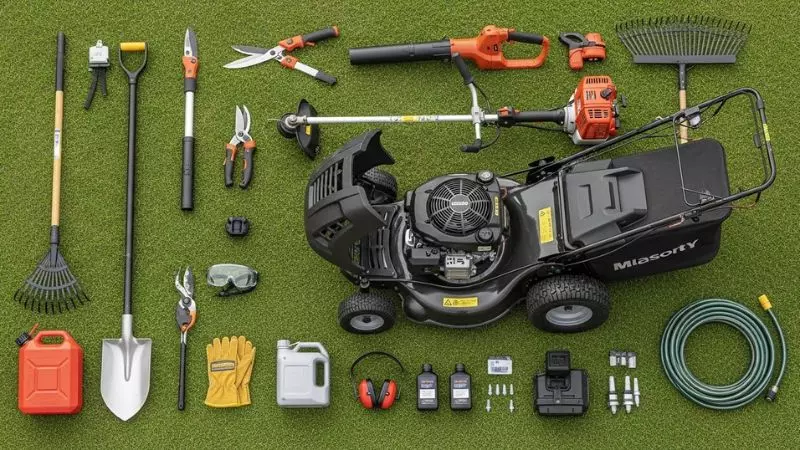
A healthy and beautiful lawn starts with the right lawn mowing tools and equipment. Using proper tools not only makes mowing easier but also ensures your grass stays healthy and grows evenly. Choosing the correct equipment depends on the size of your yard, the type of grass, and your personal preferences.
From traditional push mowers to modern lawn tractors and weed wackers, understanding the functionality and benefits of each tool is essential for effective lawn care and maintenance.
Lawn mower
A lawn mower is the most common tool for mowing a lawn efficiently. It trims grass to an even height and comes in various types suited for different lawn sizes and terrains.
Types of lawn mowers:
- Push mower: Best for small lawns, eco-friendly and inexpensive.
- Self-propelled mower: Ideal for medium lawns, reduces physical effort.
- Electric mower: Quiet and low maintenance, suitable for urban areas.
- Gas mower: Powerful for large lawns and tough grass types.
Tips for using a lawn mower:
- Keep blades sharp to ensure a clean cut.
- Adjust the cutting height according to grass type.
- Mow when the grass is dry to avoid clumping.
- Empty the grass catcher regularly for smooth operation.
Mowing with a lawn tractor
A lawn tractor is perfect for large lawns or properties with uneven terrain. It provides speed, efficiency, and comfort compared to traditional mowers.
Benefits of a lawn tractor:
- Covers large areas quickly.
- Can be equipped with attachments for mulching or bagging.
- Reduces physical strain during long mowing sessions.
Tips for lawn tractor mowing:
- Plan a mowing pattern to avoid missing spots.
- Maintain tire pressure for even cutting.
- Keep blades sharp and check oil regularly.
Mowing a lawn with a weed wacker
A weed wacker, also known as a string trimmer, is ideal for trimming edges, corners, and hard-to-reach areas where mowers cannot reach.
Advantages of using a weed wacker:
- Precision trimming around trees, fences, and flower beds.
- Lightweight and easy to maneuver.
- Can handle thick weeds and overgrown areas.
Tips:
- Wear protective goggles and gloves.
- Use the correct line thickness for your grass type.
- Trim in a sweeping motion for even results.
How to cut grass with trimmer
Cutting grass with a trimmer is an essential skill for a neat lawn finish. Trimmers are perfect for maintaining lawn edges and achieving a professional look.
Step-by-step guide:
- Inspect the area for rocks and debris.
- Adjust the trimmer head height according to grass length.
- Hold the trimmer at a 45-degree angle for precision.
- Move in smooth, overlapping strokes for even trimming.
- Clean the trimmer after use and check the line regularly.
How to cut grass without a lawn mower
If you don’t have a mower, there are alternative ways to cut grass efficiently:
- Grass shears: Ideal for small patches and precise trimming.
- Scythe: Traditional tool for large areas, requires physical effort.
- Goats or livestock: Eco-friendly and natural grazing method for open lawns.
- String trimmer: Can cover moderate areas without a full mower.
Tips: Regular maintenance is key even without a mower to prevent overgrowth and maintain a healthy lawn.
How to mow a lawn with a push mower
Mowing a lawn with a push mower is a classic and eco-friendly method, ideal for small to medium yards. It allows precise control and is quiet compared to gas mowers.
Steps for using a push mower:
- Start with a fully charged or fueled mower.
- Adjust the cutting height according to the season.
- Mow in straight lines, slightly overlapping each pass.
- Alternate mowing patterns weekly to prevent grass leaning.
- Clean blades and mower body after each use.
Lawn Mowing Techniques & Patterns
Mowing a lawn is not just about cutting grass. Using the right mowing techniques and patterns ensures a healthier lawn, reduces soil compaction, and improves aesthetics. Modern lawn care emphasizes precision, consistency, and seasonal adjustments to achieve a lush green yard.
Proper mowing patterns can also enhance the appearance of your garden, creating professional-looking stripes or checkerboard designs.
How to mow a lawn with stripes
Creating striped patterns on your lawn adds a visually appealing and professional touch. This effect is achieved by bending the grass blades in different directions using the mower.
Steps to achieve lawn stripes:
- Use a roller or a mower with a striping kit for best results.
- Mow in straight, even lines across your yard.
- Alternate directions with each pass to create contrasting light and dark stripes.
- Overlap slightly to ensure no missed patches.
- Maintain consistent speed to prevent uneven stripes.
Tips:
- Stripes are more visible on lush, healthy grass.
- Avoid creating stripes on uneven or patchy lawns.
- Use sharp blades for a clean, crisp effect.
Grass cutting height chart
Maintaining the correct grass cutting height is crucial for lawn health. Cutting too short can stress the grass, while too tall may lead to weeds and poor growth.
| Grass Type | Recommended Cutting Height | Notes |
| Kentucky Bluegrass | 2.5–3 inches | Best for full sun lawns |
| Bermuda Grass | 1–2 inches | Heat-tolerant, grows fast |
| Fescue | 3–4 inches | Good for shaded areas |
| Ryegrass | 2–3 inches | Ideal for cool climates |
| Zoysia | 1.5–2 inches | Slow-growing, requires less mowing |
Pro tip: Adjust mowing height seasonally. In hot summers, leave grass slightly taller to retain moisture.
Lawn Mowing in Different Conditions
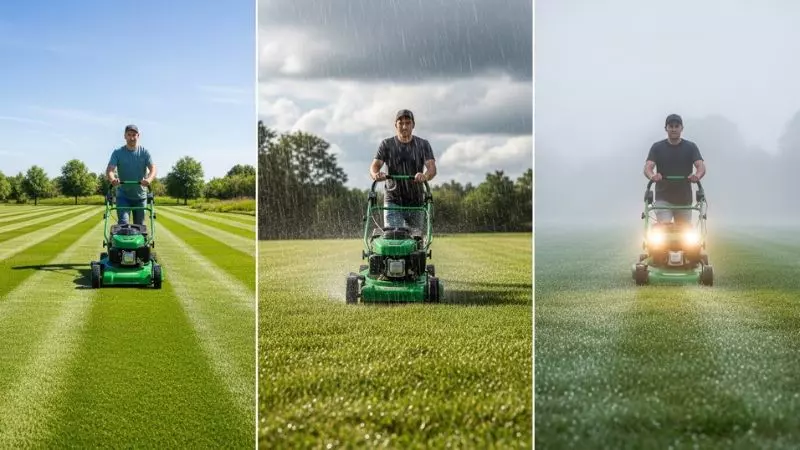
Mowing in varying conditions requires caution and technique to avoid damaging the lawn or equipment. Factors like wet grass, post-rain moisture, and winter dormancy affect mowing practices.
Mowing a lawn when wet
Mowing a lawn when wet is generally discouraged, as it can:
- Cause uneven cuts due to clumping.
- Lead to soil compaction and rutting.
- Increase risk of mower slipping and safety hazards.
Tips for mowing wet grass:
- Use a high-lift blade to prevent clogging.
- Mow at a slower speed to maintain control.
- Consider mulching rather than bagging wet clippings.
Mowing a lawn after rain
Post-rain mowing requires patience and care. Wet soil is more prone to compaction, and grass blades can tear easily.
Best practices:
- Wait until the lawn surface dries slightly.
- Raise mower height to avoid stressing the grass.
- Mow in a different pattern than usual to reduce soil wear.
- Clean mower frequently to prevent grass buildup.
Pro tip: Avoid heavy foot traffic on wet lawns to maintain soil structure.
Mowing a lawn in winter
Winter mowing depends on grass type and climate. Many grasses go dormant during cold months, reducing growth but still requiring occasional maintenance.
Winter mowing tips:
- Mow less frequently, only when grass grows above the recommended height.
- Raise cutting height to protect roots from frost.
- Keep mower blades sharp to prevent tearing weak grass.
- Remove leaves and debris to prevent disease.
Tips for cold climates:
- Avoid mowing frozen lawns.
- Use lighter, manual tools for small patches.
- Consider winter-specific grass treatments to maintain soil health.
Lawn Mowing Cost & Pricing
Understanding the cost of mowing a lawn is essential for homeowners and professionals alike. Lawn care expenses depend on factors like lawn size, equipment type, frequency of mowing, and whether you hire a service or do it yourself. Proper budgeting ensures your lawn stays well-maintained without overspending.
With updated 2025 insights, homeowners can now estimate costs more accurately and decide whether to invest in professional lawn services or manage the lawn themselves.
How much does mowing a lawn cost
The cost of mowing a lawn varies widely depending on several factors:
- Lawn size: Larger lawns require more time and fuel, increasing cost.
- Equipment type: Gas-powered mowers or lawn tractors may have higher operating costs.
- Labor: Professional lawn care services include labor charges.
- Frequency: Weekly or bi-weekly mowing affects monthly expenses.
Typical cost range:
- Small lawns (under 1,000 sq. ft.): $30–$50 per visit
- Medium lawns (1,000–5,000 sq. ft.): $50–$100 per visit
- Large lawns (over 5,000 sq. ft.): $100–$200+ per visit
Average cost of mowing a lawn
The average cost of mowing a lawn in 2025 ranges between $40–$75 for standard residential yards when hiring a professional. Doing it yourself reduces costs to fuel and minor maintenance expenses.
Factors influencing average cost:
- Local market rates
- Type of grass and lawn condition
- Additional services like edging, trimming, and debris removal
Pro tip: Consider seasonal packages from lawn care providers for discounts and consistent lawn maintenance.
Cost of mowing a lawn
When calculating the cost of mowing a lawn, homeowners should include both direct and indirect expenses:
| Expense Type | Cost Estimate | Notes |
| Professional service | $40–$100 per visit | Depends on lawn size and service provider |
| Equipment fuel/maintenance | $5–$20 per week | Includes gas, electricity, or battery charging |
| DIY tools | $150–$600 one-time | Push mower, trimmer, edger, and safety gear |
| Miscellaneous | $5–$15 per visit | Grass bags, blade sharpening, and repairs |
How much to charge for mowing a lawn
If you are a lawn care professional or side hustler, setting a competitive price is key. Pricing strategies depend on yard size, complexity, and local market conditions.
Suggested rates for charging:
- Small residential lawn: $30–$50
- Medium lawn with trimming and edging: $50–$80
- Large or commercial lawns: $100–$250+
Tips for setting rates:
- Factor in travel and labor time.
- Offer package deals for recurring clients.
- Adjust pricing based on seasonal growth patterns.
What is the going rate for mowing a lawn
The going rate for mowing a lawn varies by region, lawn size, and service type. On average, most homeowners pay between $40–$100 per visit for standard lawn mowing services.
Regional pricing trends 2025:
- Urban areas: Higher rates due to demand and labor costs
- Suburban areas: Moderate rates, often with package discounts
- Rural areas: Lower rates, but larger lawns may increase total cost
Health, Exercise & Science of Lawn Mowing
Mowing a lawn is more than a maintenance task—it can have significant health and exercise benefits. Lawn mowing engages multiple muscle groups and provides moderate physical activity, making it an effective way to stay active while caring for your yard. Understanding the science behind mowing helps optimize both lawn health and personal wellness.
Is mowing a lawn good exercise
Yes, mowing a lawn is considered good exercise. It works your legs, arms, and core muscles, depending on the type of mower used and the size of your yard. Push mowing provides more physical activity compared to riding a lawn tractor.
Health benefits:
- Strengthens lower body and core muscles
- Improves cardiovascular fitness
- Burns calories while performing a productive task
- Reduces stress and promotes outdoor activity
Tips for maximizing exercise benefits:
- Use a push mower whenever possible
- Maintain a steady pace for consistent cardiovascular work
- Stretch before and after mowing to prevent muscle strain
How many calories does mowing a lawn burn
The number of calories burned while mowing a lawn depends on mower type, lawn size, and effort level.
| Mower Type | Duration | Approximate Calories Burned |
| Push mower | 30 minutes | 150–250 calories |
| Self-propelled mower | 30 minutes | 120–180 calories |
| Lawn tractor | 30 minutes | 80–120 calories |
Pro tip: Push mowing small lawns can be a moderate-intensity workout, while large lawns provide a longer cardiovascular benefit.
Mowing a lawn physical or chemical change
Mowing a lawn is a physical change, not a chemical one. Cutting grass short alters its shape and appearance without changing its chemical composition.
Key points:
- Grass blades remain the same at a molecular level.
- Physical changes include trimming, rolling, and edging.
- No new substances are formed during mowing.
Fun fact: Observing the uniform grass height after mowing is an example of precision in lawn care science.
Lawn Mowing Media & Visual Content
Visual content like videos, gifs, and images enhances understanding of mowing techniques and inspires DIY enthusiasts. Seeing lawn care in action helps beginners learn proper mowing patterns, safety practices, and equipment handling.
Mowing a lawn video
Lawn mowing videos are great resources for learning proper techniques:
- Demonstrates mowing patterns and stripe creation
- Shows blade height adjustment and trimming methods
- Teaches safety measures and mower maintenance
Tips for video learning:
- Watch step-by-step guides for beginners
- Focus on mower type relevant to your yard
- Take notes for reference during actual mowing
Mowing a lawn gif
GIFs of mowing a lawn provide quick, looping visuals that highlight specific movements and patterns. They are useful for:
- Showing mowing direction and stripes
- Illustrating trimming around obstacles
- Demonstrating push mower techniques efficiently
Pro tip: Use gifs for social media or educational posts to convey techniques in seconds.
Guy mowing a lawn
Images or videos of a guy mowing a lawn help visualize posture, technique, and proper equipment use. They are particularly helpful for beginners and DIY enthusiasts to:
- Learn correct pushing and guiding methods
- Observe safety gear usage
- Understand mowing in different conditions
Tips:
- Maintain straight back and bent knees to reduce strain
- Wear gloves and safety glasses for protection
- Observe arm and leg movement for efficiency
Frequently Asked Questions
What is mowing a lawn?
Mowing a lawn is the process of trimming grass to maintain even height and promote healthy growth in residential and commercial lawns.
How often should I mow my lawn?
Most lawns should be mowed once a week during peak growing season to ensure healthy grass and prevent weeds.
What is the best height for mowing a lawn?
Optimal mowing height depends on grass type but usually ranges from 2 to 3 inches for healthy growth and root development.
Can mowing a lawn improve grass health?
Yes, regular mowing encourages thicker grass, reduces weeds, and strengthens root systems for a lush, green lawn.
Is mowing a lawn good exercise?
Pushing a mower provides moderate cardiovascular exercise, engaging legs, arms, and core muscles while maintaining your yard.
How do I mow a lawn for beginners?
Start with a small area, use a sharp mower, follow straight lines, and adjust cutting height for safe, even trimming.
Can I mow a lawn when it is wet?
It is not recommended to mow wet grass, as it can clump, tear grass blades, and cause soil compaction.
What tools do I need for mowing a lawn?
Essential tools include a push mower, string trimmer, edger, and protective gear for safe and efficient lawn maintenance.

Hey there! I’m Sophie Lane, the creative mind behind CaptionRizz.com — your go-to space for everything witty, flirty, and full of charm. I’ve always believed that the right words can make anyone stand out — whether it’s a catchy Instagram caption, a smooth pick-up line, or the perfect rizz to impress someone special.
At CaptionRizz, my goal is simple: to help you express your mood, your style, and your personality through clever lines that grab attention. From romantic captions to bold one-liners, every piece is designed to make your words unforgettable.
I spend hours crafting original content that blends humor, confidence, and creativity — perfect for anyone who wants to upgrade their caption game or learn the art of modern “rizz talk.”
So whether you’re posting a photo, sliding into DMs, or just looking for that one perfect line — I’ve got you covered.
Let your words shine. Let your vibe speak.Welcome to CaptionRizz — where captions meet confidence. 💬✨